Label
AQM
AQM, a Tokyo-based experimental music label active from 1979 to 1989, is known for its diverse cassette culture and multimedia projects.


About
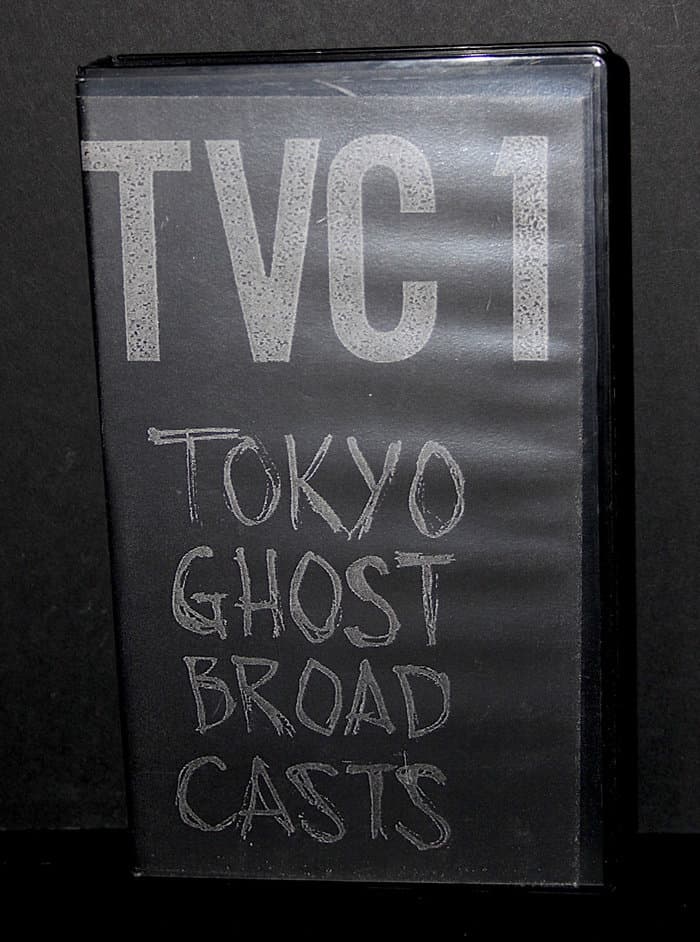
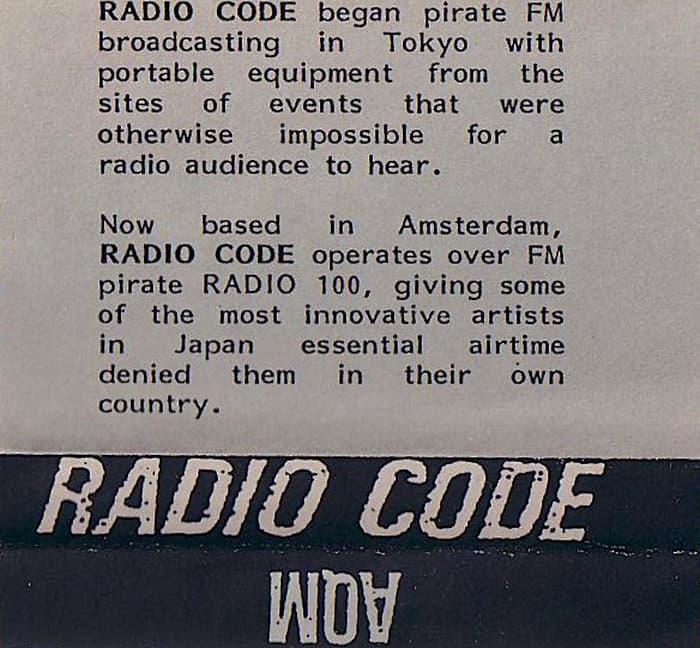
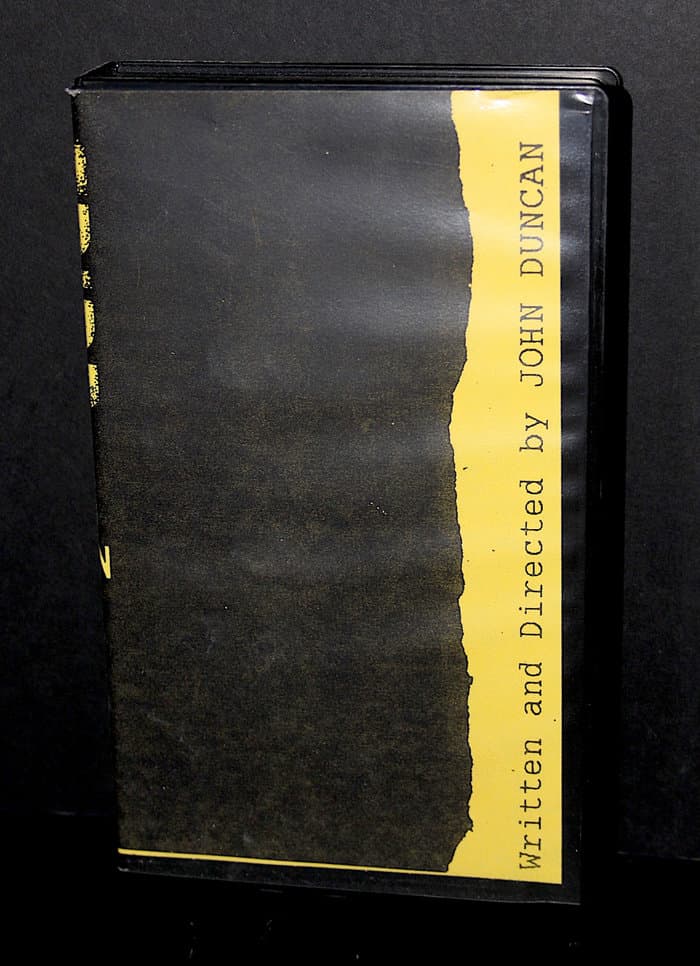
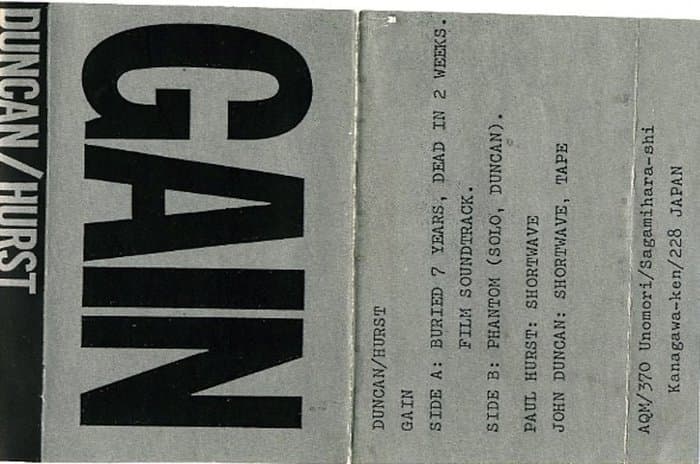
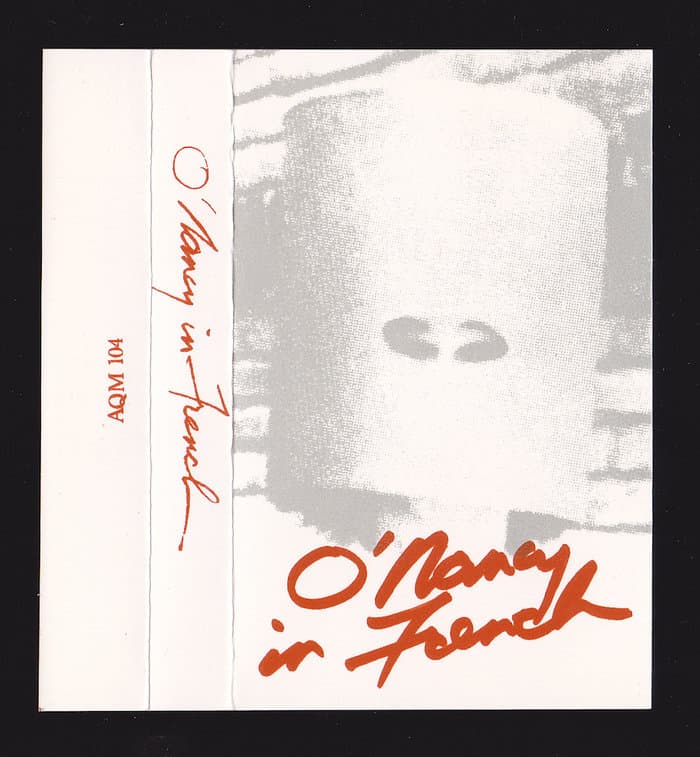
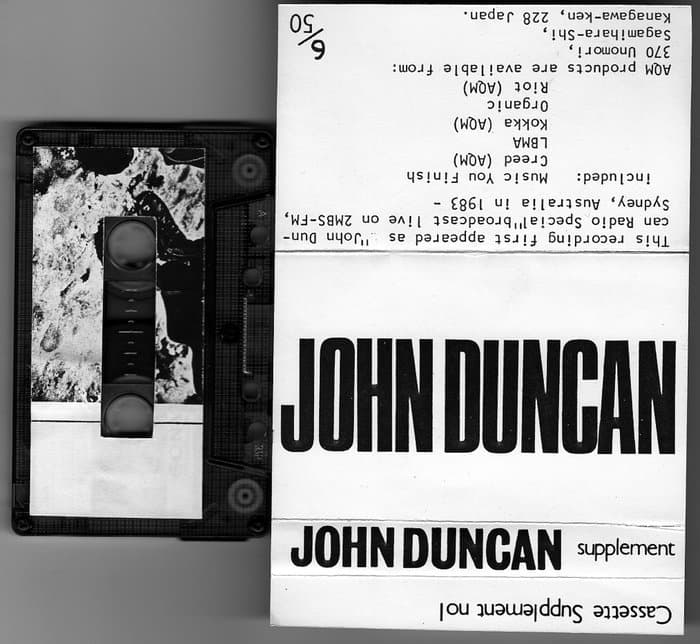
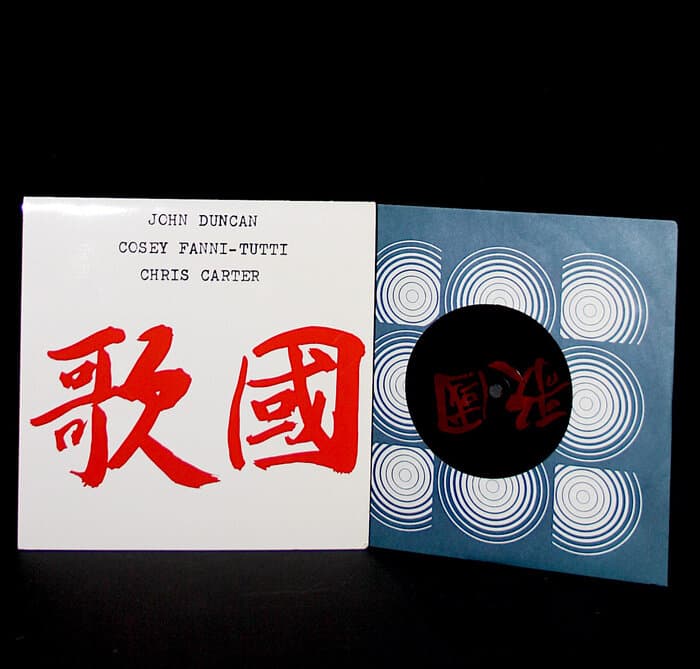
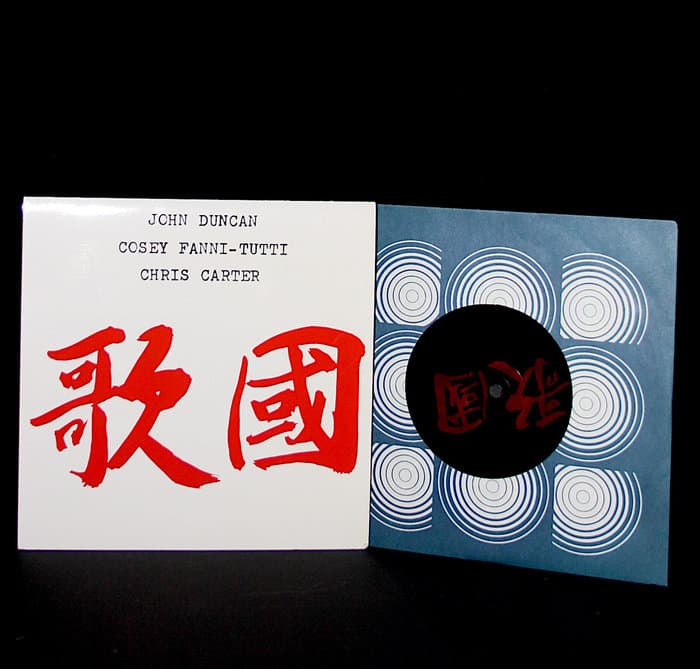
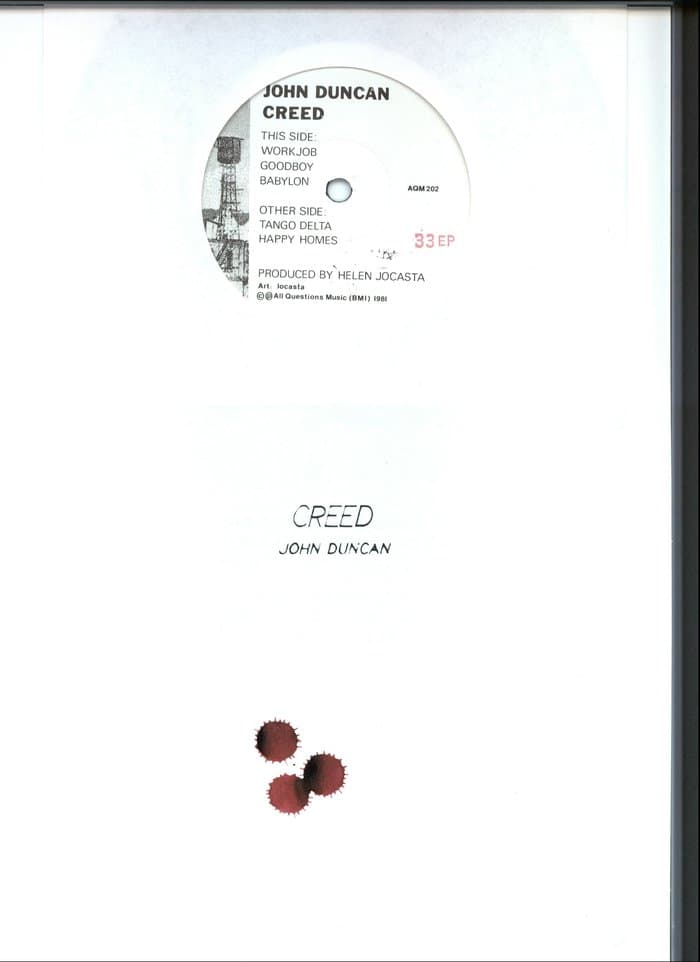
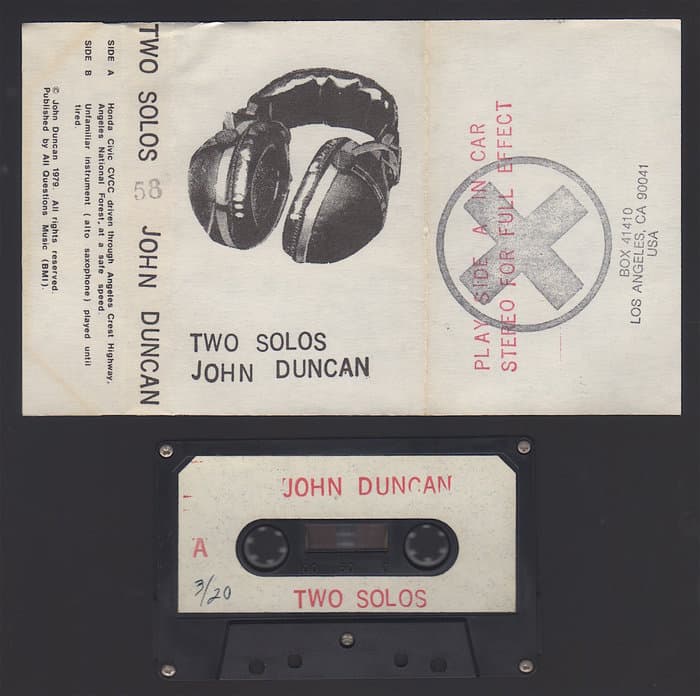
In the liminal realm of late-70s and 80s experimental music, AQM operated as a crucible of cassette culture and multimedia exploration. This Tokyo-based label, active from 1979 to 1989, became a nexus for interdisciplinary projects that defied singular classification. At its core was John Duncan, whose prolific involvement spanned 11 releases, including collaborations with luminaries like Cosey Fanni-Tutti and Chris Carter. AQM’s catalog, sculptural in its diversity, was a testament to process-driven creation, where format and content were inseparable — 13 of its 23 releases were cassettes, each one a portable, tactile artifact. AQM's releases functioned as auditory fractals, each iteration an exploration into the collage of sound. "Radio Code Tokyo Broadcast," a 1989 tape interwoven with performances by Hisako Horikawa and Che-Shizu, stands as a beacon of this ethos. Another highlight, "Tribe" (1988), transcended audio with visuals, offering a VHS experience that expanded the sensory boundaries of experimental music. The label embraced an interdisciplinary approach, threading field recordings with vast audio collages. This approach drew together a mosaic of artists: Fushitsusha's raw intensity, the enigmatic presence of Hafler Trio, and Toshiji Mikawa’s noise excursions. Each contributed their unique voice to an ever-expanding dialogue. AQM's singular magazine release further exemplifies its commitment to format diversity, providing a written counterpart to its sonic investigations. AQM’s archive is less a collection of records than a series of inquiries into the nature of sound, challenging the listener to engage with music as an evolving process. Though its operations ceased in 1989, the label's influence reverberates, a fragment of a time when music was a tactile, liminal experience.
Catalog
16 total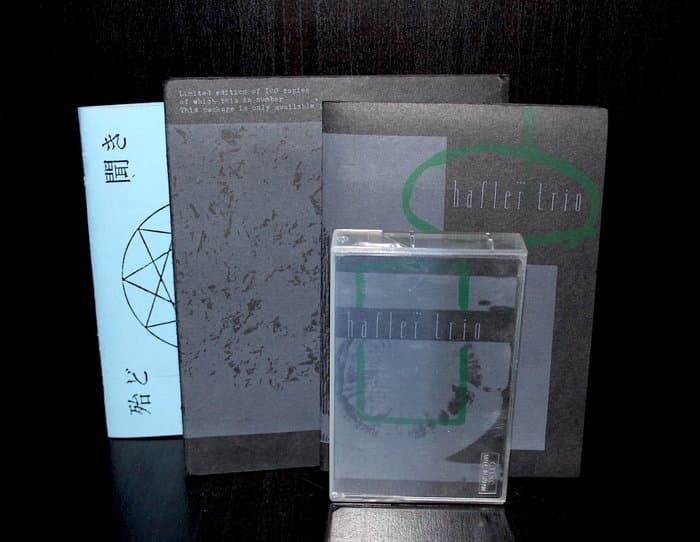

Artists
People
- John Duncan — ran AQM