Artist
Philip Glass
Philip Glass, a leading American composer in minimalism, creates profound soundscapes from the United States that redefine contemporary classical music.



About
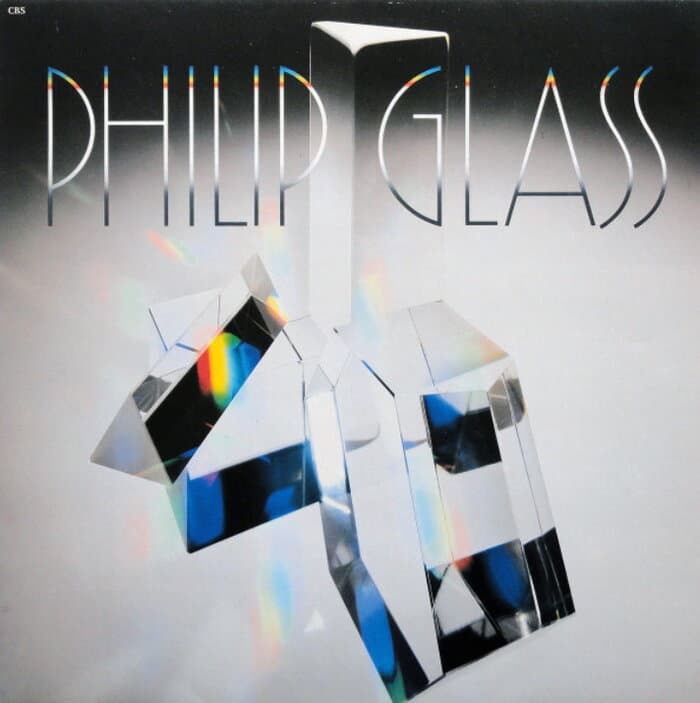
In the vast expanse of time, Philip Glass emerges as a tectonic force, reshaping the harmonic landscape with layers that resonate through the ages, crafting a gravitational pull that draws listeners into his infinite structures, each note a fragment of his relentless pursuit of the minimal yet monumental, beginning with the elemental pulse of Music With Changing Parts in 1971, a piece that laid down the bedrock for a new era, where repeated motifs spiral into a hypnotic dance, as if echoing the cycles of nature, and with each subsequent release, Glass would carve deeper into the strata of sound, reaching a zenith with Einstein on the Beach in 1979, where operatic conventions dissolved into a sustained continuum of sound and light, a seismic shift that would reverberate through the halls of music history, influencing a generation alongside the likes of Terry Riley and Steve Reich, as the Philip Glass Ensemble became a vessel for his evolving vision, manifesting in works like Glassworks in 1982, a meticulous synthesis of experimental soundscapes and modern classical influences, where repetition becomes a lens through which the infinite unfolds, and with Music In Twelve Parts in 1988, Glass captures the essence of time itself, a multi-layered odyssey of sound that defies linear progression, a series of tectonic plates shifting beneath the listener's feet, forever altering the landscape, as Glass, through his compositions, reveals the hidden architecture of the universe, a framework built from the simplest of elements, yet capable of sustaining the weight of epochs.
Discography
11 total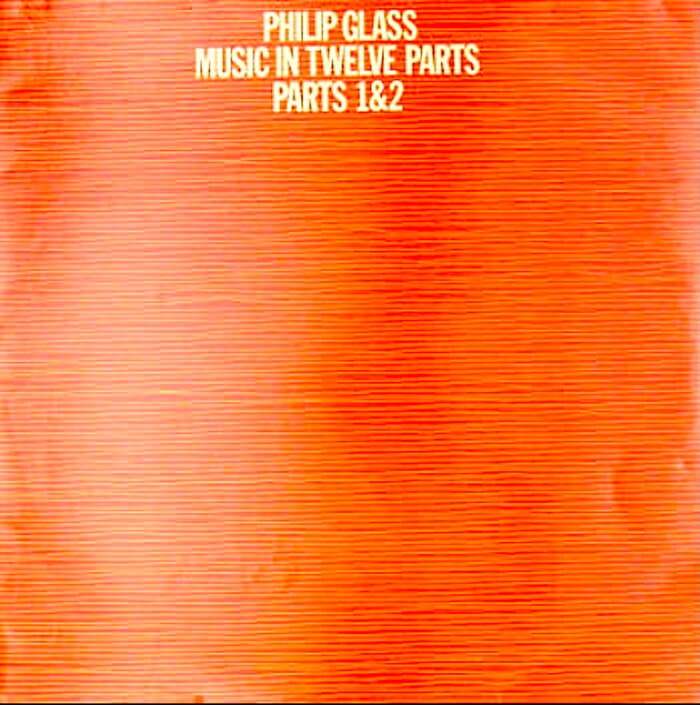


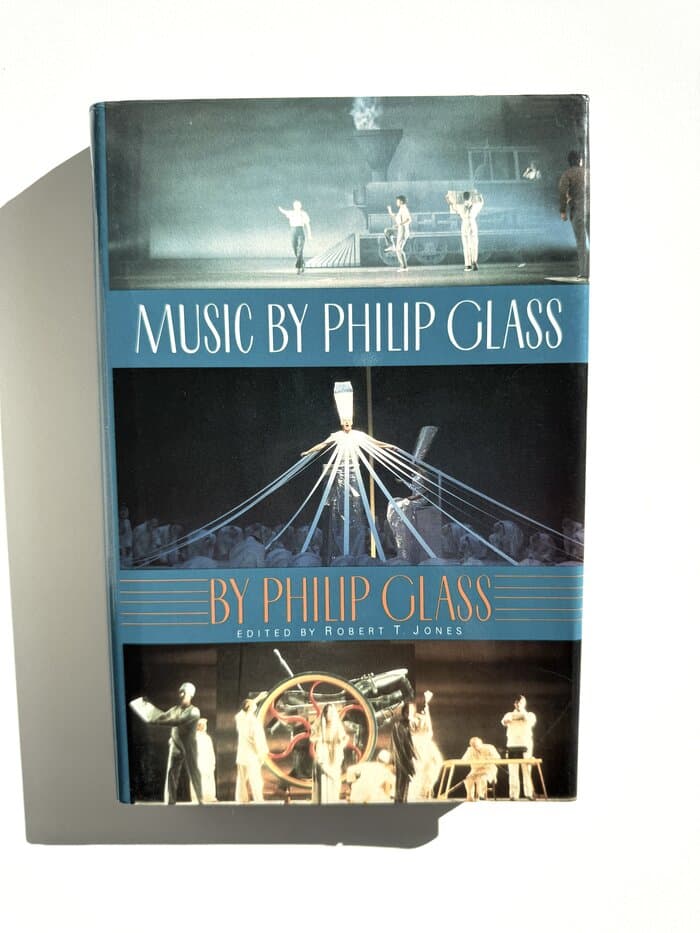
Literature
Members
- Polyrock — member
- Mickey Hart, Philip Glass and Kitaro — member
- Philip Glass Ensemble — original