Artist
Laurie Anderson
Laurie Anderson, a pioneering avant-garde artist from the US, fuses music, storytelling, and technology into immersive experiences.




About
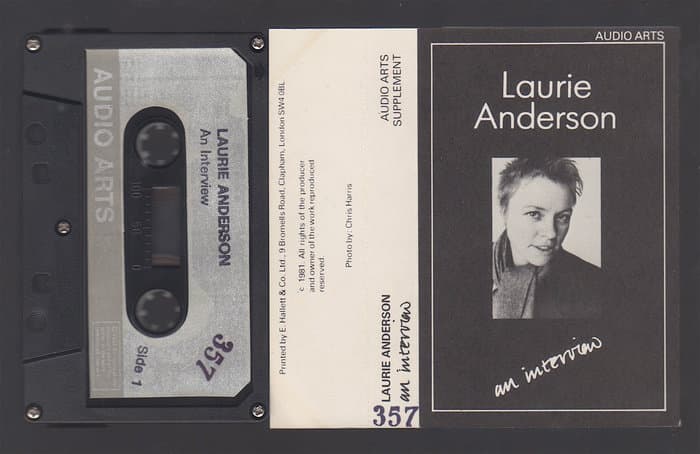
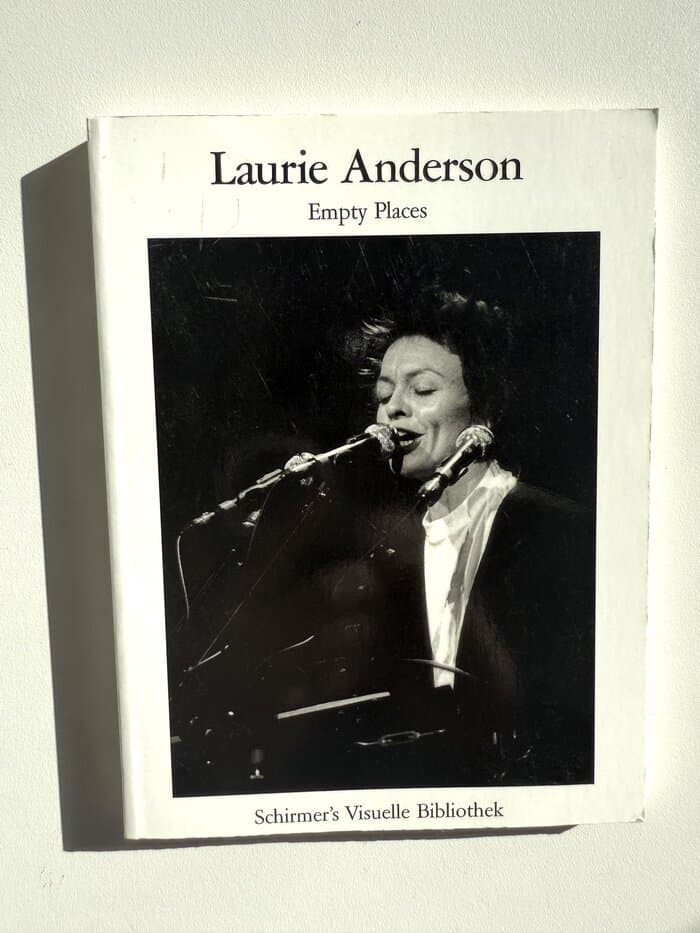
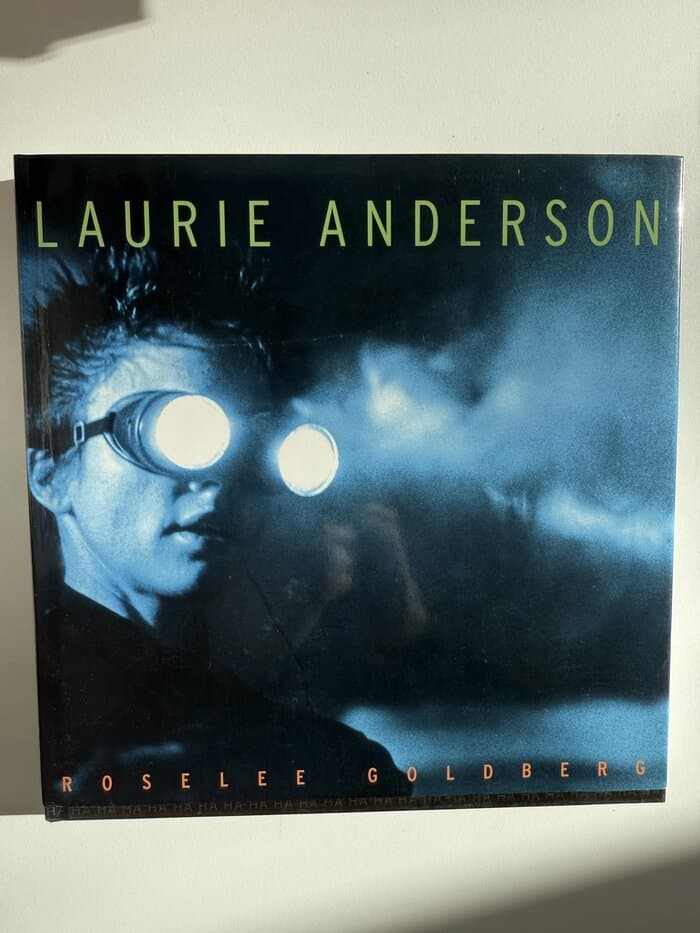
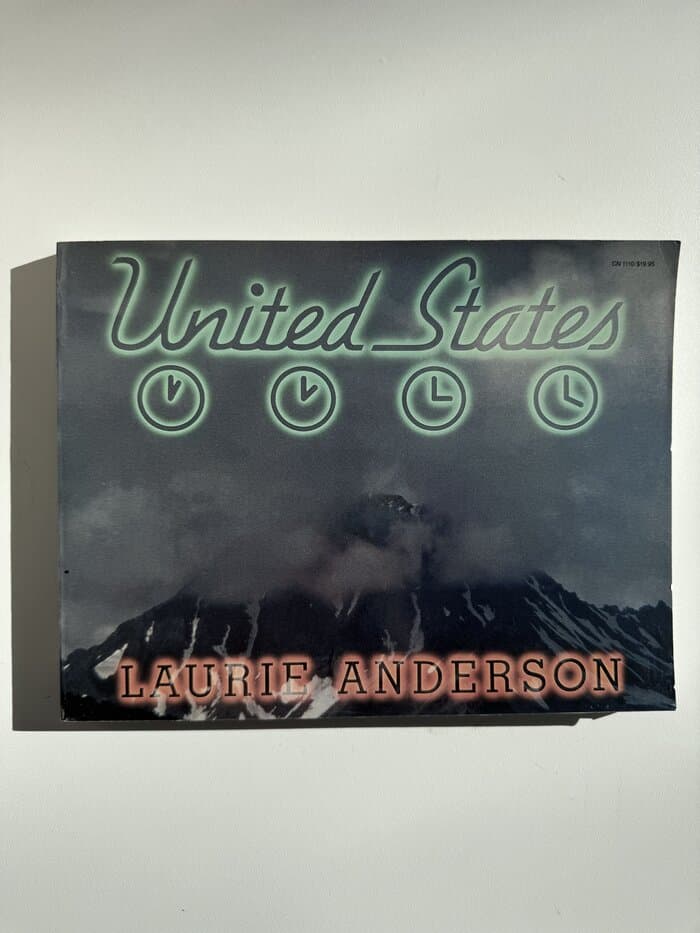
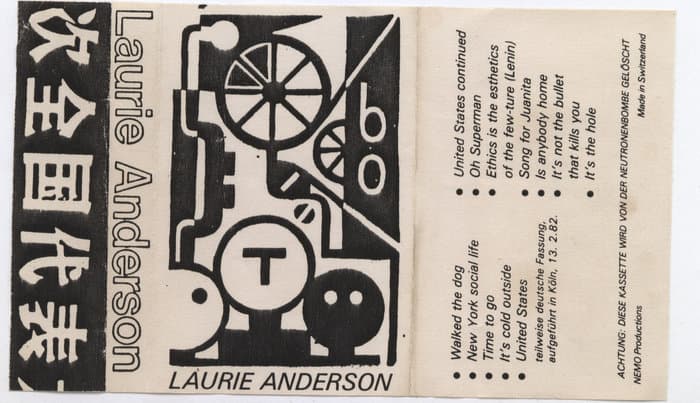
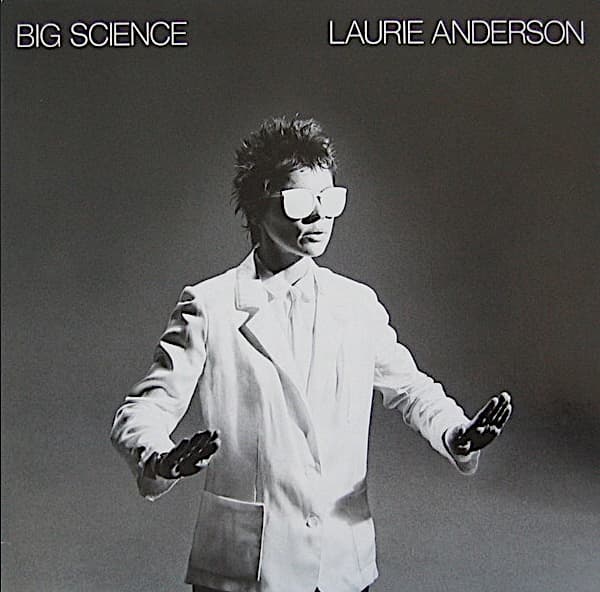
Laurie Anderson emerges from the chaos of New York City's 1970s performance art scene as a sculptor of sound and vision, crafting experiences that blur the lines between music, storytelling, and technology. Her work is a conversation between the cerebral and the visceral, a journey through the liminal spaces where language and image collide. The unexpected commercial ascent of "O Superman" in 1981 marked a fractal moment, a point where avant-garde sensibilities met the pop charts, but Anderson's oeuvre is far more expansive, tracing a path through the interdisciplinary landscapes of the avant-garde. "Big Science" (1982) stands as a seminal work, a sonic architecture that deconstructs and reconstructs the everyday into something both familiar and otherworldly. The album sits as a cornerstone in the catalog of Warner Bros. Records, its impact resonating through the corridors of experimental sound. The live documentation of her sprawling "United States Live" (1984) project, across multiple formats and labels, encapsulates the process-driven essence of her performances, where each medium—be it magazine, cassette, or vinyl—becomes a vessel for narrative exploration. Anderson's collaborations with labels like Audio Arts and New Depression Music reflect a network of creativity that is as much about the dissemination of ideas as it is about sound itself. Her releases, such as "Live Cologne 13.2.1982" and "Words in Reverse (Top Stories no.2)," are artifacts of a practice that is as much about the act of listening as it is about the act of creating. In the sphere of artists like Brian Eno and Diamanda Galás, Anderson is both a contemporary and a pioneer. Her integration of technology into performance is not just a gimmick but a fundamental reconsideration of how sound and vision can be interwoven. Through her work, she invites the listener into a world where the boundaries of form dissolve, leaving behind a space of pure, exploratory potential.