Artist
Klaus Groh
Klaus Groh, a Polish artist in musique concrète, crafts abstract soundscapes that merge field recordings with spoken word.

About
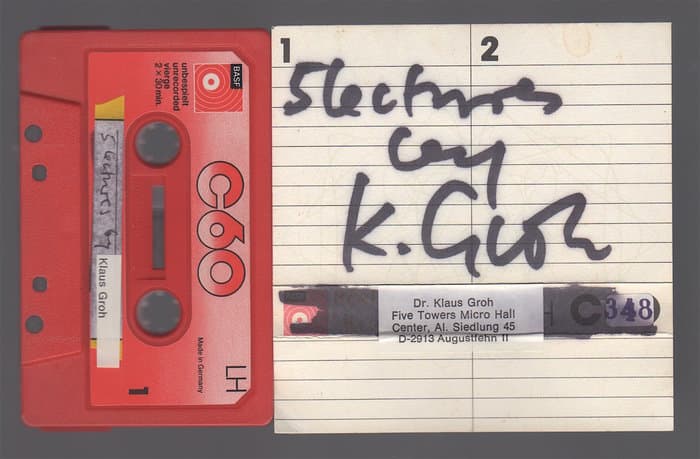
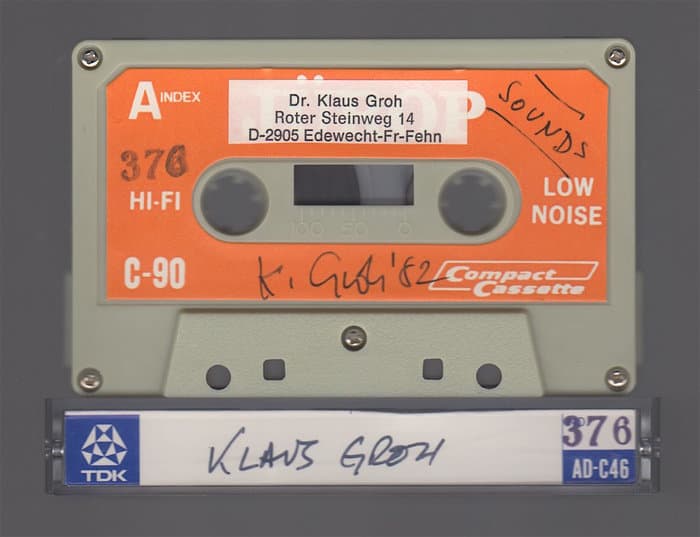
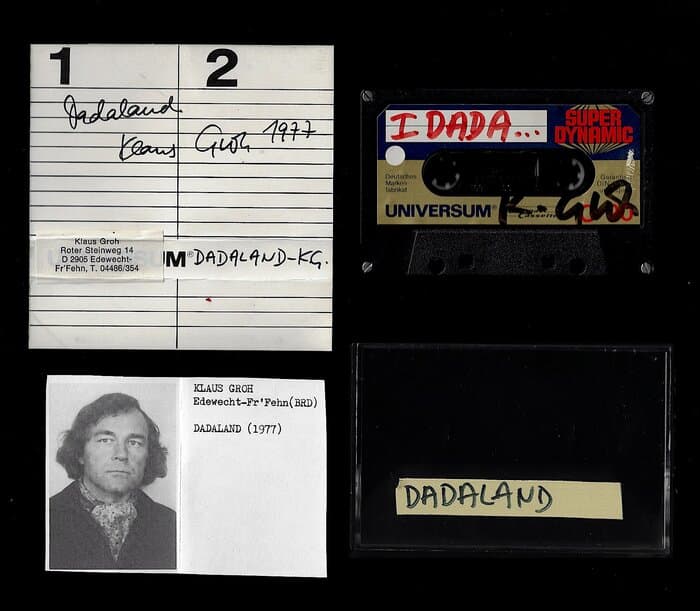
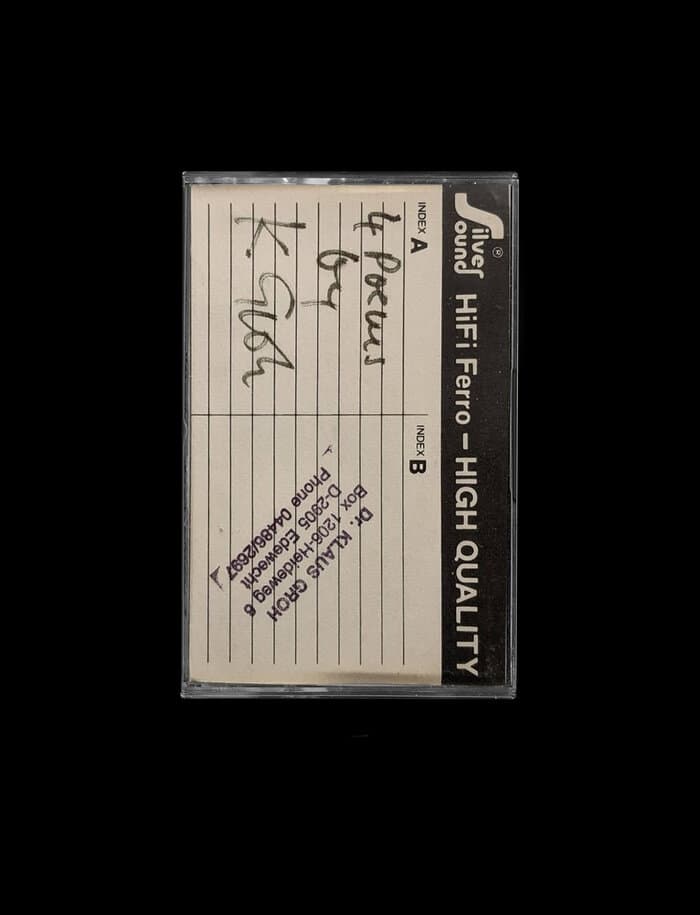
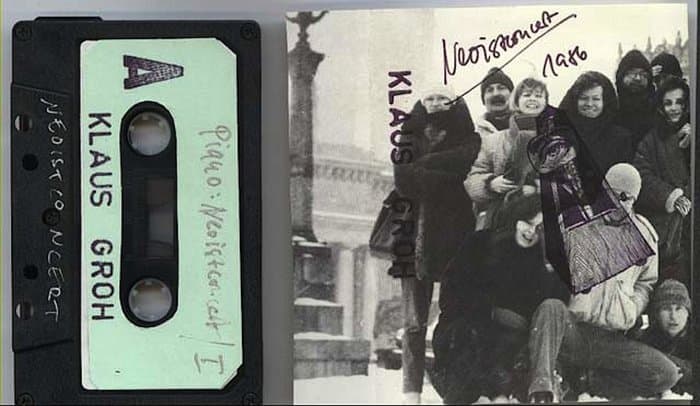
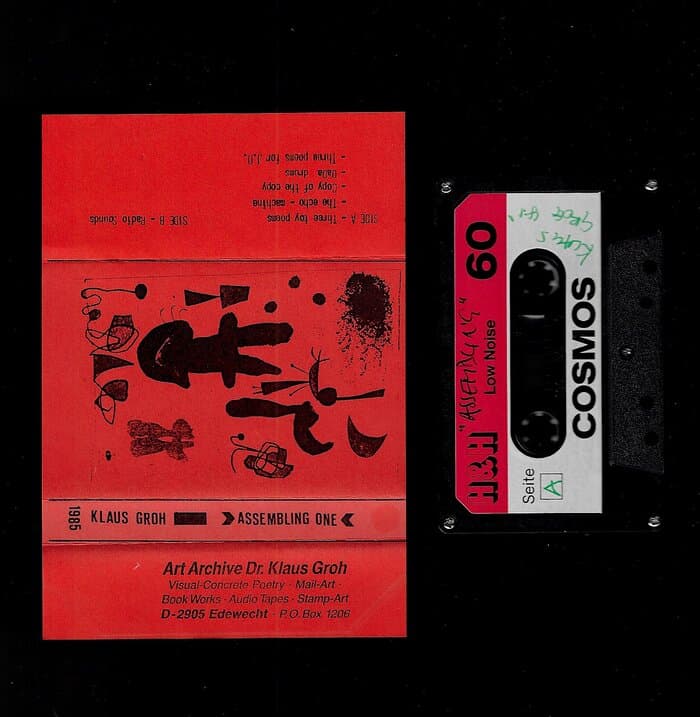
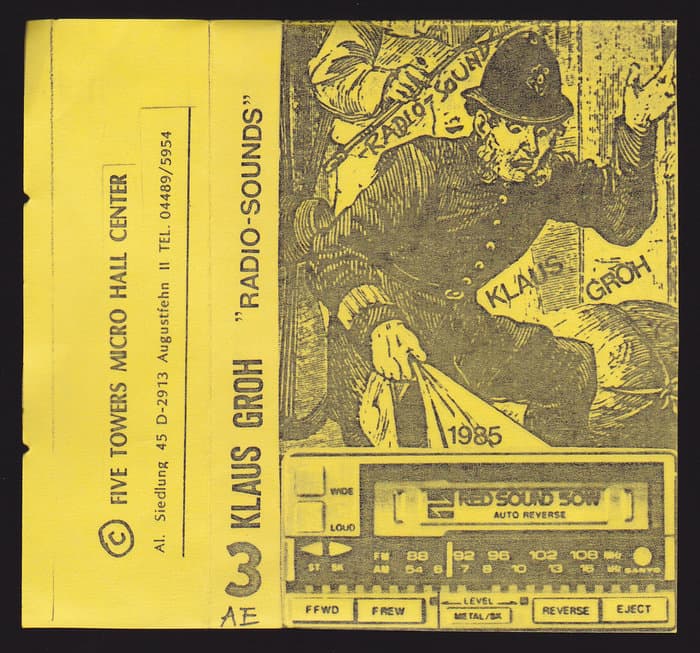
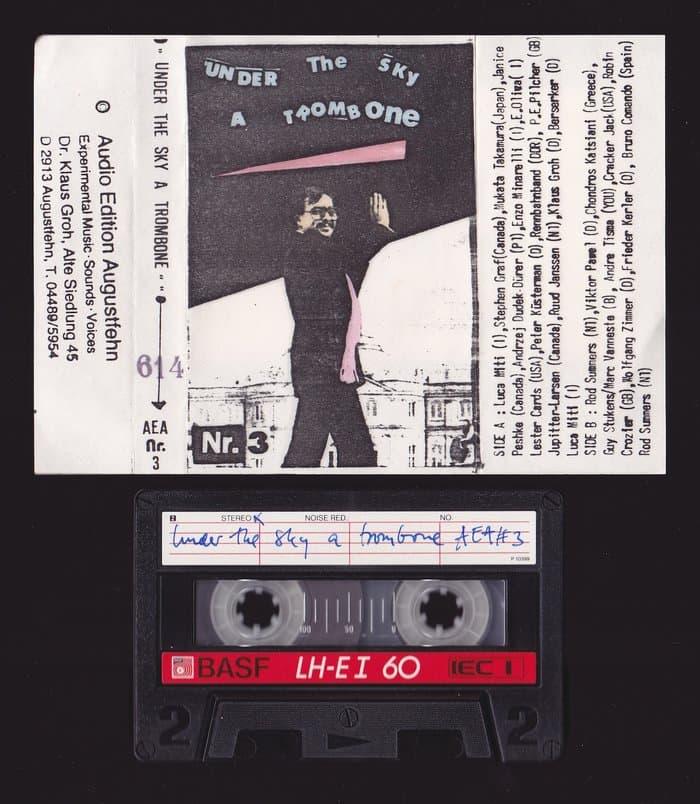
In the sonic labyrinth that is Klaus Groh's oeuvre, the boundaries between sound and silence, music and speech, dissolve into a process-driven exploration of auditory perception. From the chaotic heart of Poland, Groh's creations — a sculptural interplay of abstract soundscapes and spoken word — echo through the cassette's magnetic tape. His work resonates with the raw energy of musique concrète, where field recordings and collage techniques collide in liminal spaces. The 1986 release "4 Sound Poems By Klaus Groh" exemplifies his affinity for sound poetry, a genre where language is sculpted into form and texture, rather than mere narrative. Groh's extensive cassette catalog, with 21 tapes released under self-imposed labels, speaks volumes of his commitment to artistic independence, sidestepping the mainstream's gravitational pull. Each self-released tape under his Not on Label imprint is a fractal testament to his relentless pursuit of sonic evolution. Groh's output, such as "Tuba - Piano - Talk" (1986) and "Radio Sounds" (1985), issued through niche imprints like Audio Edition Ammerland and Five Towers Micro Hall Center, inhabits an interdisciplinary space where the auditory and the conceptual intertwine. The works "Change Music" (1985) and "Grammar Concrete 1-4" (1982) further illustrate his capacity to transform mundane auditory experiences into profound aural inquiries. His collaborations and parallels with contemporaries like Agostino Contò and Enzo Minarelli position Groh within a network of avant-garde artists, yet his path remains distinctly his own. With a listening audience as select as it is engaged, Groh's legacy is not in grand gestures but in the intimate, exploratory spaces his work continues to illuminate.